Healthy Lifestyle : 11 Simple Habits for Better Health

Learn how to build a healthy lifestyle with practical tips for balanced eating, exercise, sleep, stress management, hydration & daily habits.
What is a healthy lifestyle?
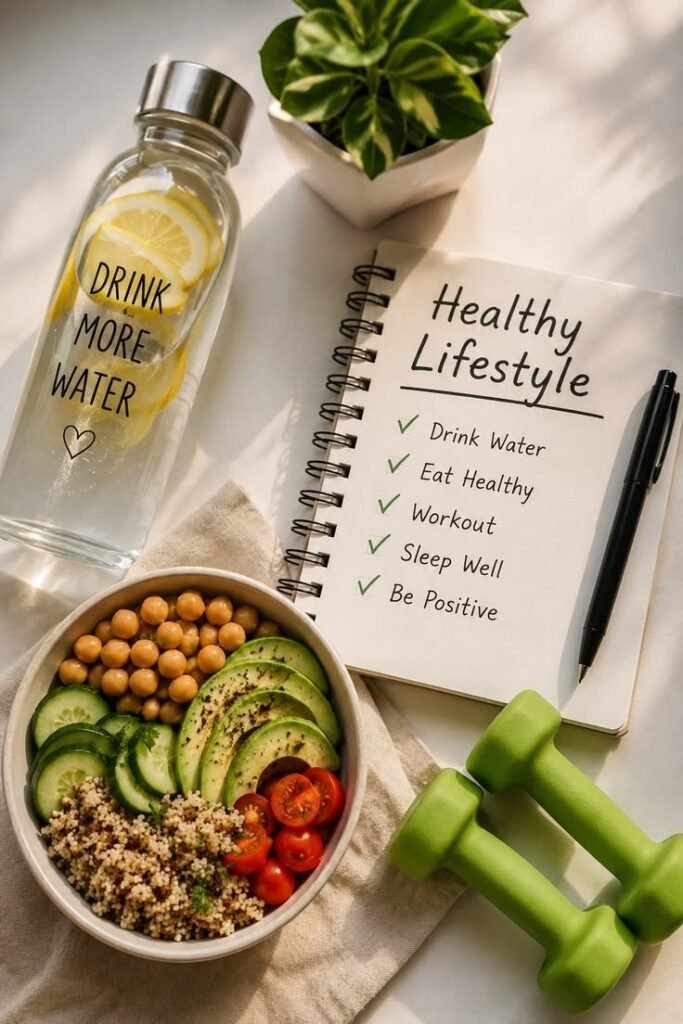
A healthy lifestyle is a pattern of everyday choices that supports physical health, mental well-being, energy, sleep, relationships, and long-term quality of life. It is not a demand to eat perfectly, exercise intensely, or follow a rigid morning routine.
A long-term approach usually includes several connected areas:
- Eating a varied and balanced diet
- Moving your body regularly
- Getting enough quality sleep
- Managing stress in healthy ways
- Drinking enough fluids
- Maintaining supportive relationships
- Avoiding tobacco and limiting alcohol
- Keeping up with appropriate preventive healthcare
The best plan is one that fits your health needs, schedule, budget, culture, living situation, and current fitness level. Small actions repeated consistently are often more useful than dramatic changes that are difficult to maintain.
Why healthy habits work better than extreme changes
Many people begin a health goal by trying to change everything at once. They may create a strict diet, start an intense workout program, eliminate favorite foods, and set an unrealistic bedtime. This approach can create short-term enthusiasm, but it may be difficult to sustain.
A better strategy is to choose one or two habits that are specific and manageable. For example, small, consistent habits can make everyday wellness easier to maintain. Try adding a serving of vegetables to one meal each day and take a 10-minute walk after lunch to add some gentle movement to your routine. Keeping a regular wake-up time on most days can also help create a more consistent daily schedule.
Carrying a reusable water bottle makes it easier to remember to drink water throughout the day, while preparing one simple meal at home each week can encourage healthier eating habits.
Finally, give yourself a short break from screens before bed to create a calmer transition into your nighttime routine.
Once a habit feels familiar, add another. This gradual approach makes it easier to identify what works and adjust what does not.
1. Build a balanced eating pattern

Healthy eating is not about finding one perfect food or following the latest diet trend. It is about creating a pattern that provides a variety of nutrients and is realistic for your life.
A balanced diet is easier to maintain when you focus on including a variety of nutritious foods rather than following complicated rules. Try to fill your meals with plenty of vegetables and fruits, as they provide important vitamins, minerals, antioxidants, and fiber.
Choose whole grains and other high-fiber foods, such as oats, brown rice, and whole-grain bread, to support healthy digestion and help you feel satisfied. Include different protein sources, including beans, lentils, nuts, seeds, eggs, fish, and poultry, depending on your preferences.
Healthy fats are also an important part of a balanced eating pattern, so consider foods such as olive oil, avocado, nuts, and seeds.
Finally, remember to stay hydrated throughout the day by choosing water and other suitable beverages. Instead of aiming for perfection, try to create balanced meals consistently and make small, realistic improvements to your everyday eating habits.
You do not need to change every meal immediately. Begin by improving one regular meal. For example, add fruit to breakfast, include vegetables with lunch, or replace a highly sweetened drink with water several times per week.
A balanced eating pattern can also include foods you enjoy. Flexibility may make a healthy lifestyle easier to maintain than a plan based on strict restriction.
2. Make healthy lifestyle eating easier
The environment around you affects your choices. Keep convenient options available, such as fruit, yogurt, unsalted nuts, cut vegetables, whole-grain crackers, or prepared ingredients. Plan a few reliable meals instead of trying to create a completely different menu every day.
3. Plan meals around your real schedule
Meal planning can make healthy eating feel much easier, especially when you have a busy schedule or feel too tired to decide what to cook. A good meal plan does not have to be complicated or require hours of preparation. Start by thinking about which meals you are likely to eat at home during the week and choose a few simple options that you enjoy.
Next, consider which foods can be prepared in advance, such as washing and chopping vegetables, cooking grains, preparing beans, or portioning snacks. Having some ingredients ready can save time when you are hungry. It is also helpful to think about what you can keep available for busy days, such as fruit, yogurt, nuts, boiled eggs, whole-grain bread, or other convenient foods.
By planning a little, you can reduce last-minute food choices and make balanced meals easier to fit into your everyday routine.
Choose two or three main meals, then reuse ingredients in different combinations. For example, roasted vegetables can be served with rice and beans, added to a salad, or paired with eggs. Cooked grains, canned beans, frozen vegetables, and simple proteins can form the base of several meals.
If you have limited time, use a short preparation session rather than preparing every meal for the entire week. Wash produce, cook one grain, prepare one protein, and portion a few snacks. This can be enough to make weekday meals easier.
4. Move your body regularly

A healthy lifestyle includes regular movement, but exercise does not have to mean a gym membership or a demanding workout program. Walking, household activities, cycling, dancing, stretching, recreational sports, and structured workouts can all contribute to physical activity.
Choose activities that match your current ability and preferences. If you are new to exercise, start with short sessions and build gradually. A 10-minute walk is a valid starting point. You can increase the time, frequency, or intensity when the routine becomes comfortable.
A balanced movement plan can help you stay active without making exercise feel overwhelming. Instead of focusing only on intense workouts, try to include light activity throughout the day, such as walking around, taking the stairs, or stretching during breaks.
You can also add moderate aerobic activities, such as brisk walking, cycling, swimming, or dancing, depending on what you enjoy. Muscle-strengthening exercises are another useful part of a balanced routine and can include bodyweight exercises or resistance training. It is also helpful to include mobility and flexibility work, such as gentle stretching, to keep your body moving comfortably.
Just as importantly, give yourself recovery days or lower-intensity periods when your body needs a break. The goal is not to exercise as hard as possible every day, but to create a realistic routine that combines movement, strength, flexibility, and recovery in a way you can maintain consistently.
People with injuries, chronic conditions, significant symptoms, or long periods of inactivity may need professional advice before beginning a new exercise program.
5. Set realistic fitness goals

A goal such as “get healthy” is broad. A more useful goal describes the behavior, schedule, and starting point. Instead of saying, “I will exercise more,” try: “I will walk for 15 minutes after work on Monday, Wednesday, and Friday for the next two weeks.”
Specific goals make progress easier to notice. They also give you a chance to adapt. If three sessions are too difficult, begin with two. If evening exercise keeps being interrupted, try a morning or lunchtime walk.
Track more than weight or appearance. You can also monitor energy, mood, walking time, strength, sleep consistency, flexibility, or how often you complete the habit.
Setting realistic fitness goals can help you create a measurable plan without becoming overwhelming.
6. Protect your sleep

Sleep supports concentration, mood, recovery, and everyday functioning. A healthy sleep routine is often more useful than occasional attempts to “catch up” after several poor nights.
Developing healthy sleep habits can make it easier to get consistent, restful sleep and support your overall well-being. Start by keeping a fairly consistent sleep and wake schedule, even when your routine changes. Your bedroom can also make a difference, so try to keep it quiet, dark, comfortable, and suitable for sleeping.
You can read our article on sleep optimization: https://famousmagazines.com/sleep-optimization-guide-to-better-rest/
As bedtime approaches, limit stimulating activities such as intense work, stressful conversations, or excessive screen use, and give your mind time to slow down. It is also useful to pay attention to the timing of caffeine and alcohol, as they may affect sleep for some people. During the day, getting enough daylight and regular movement can support a healthy sleep routine.
Before bed, try a calming wind-down activity, such as reading, gentle stretching, or listening to relaxing music. If sleep problems continue or regularly affect your daily life, consider discussing them with a healthcare professional.
Don’t assume difficulty sleeping is simply a lack of discipline. Ongoing insomnia, loud snoring, breathing interruptions, severe daytime sleepiness, or other symptoms may require professional evaluation.
7. Manage stress with practical tools
Stress is a normal response to demanding situations, but ongoing stress can affect sleep, mood, relationships, and daily choices. Stress management does not mean eliminating every difficult feeling. It means developing ways to respond and recover.
Try creating a short list of tools for different situations:
- Immediate reset: slow breathing, a brief walk, stretching, or stepping away from a stressful conversation
- Daily support: regular meals, movement, sleep, and time outdoors
- Problem-solving: writing down the issue, identifying the next action, and asking for help
- Connection: speaking with a trusted person or joining a supportive community
- Professional support: contacting a qualified mental-health professional when stress feels unmanageable or persistent
A five-minute practice can be useful, but it does not replace professional care for a mental-health crisis or serious symptoms. If you may be in immediate danger, contact local emergency services or a crisis resource in your area.
8. Stay hydrated without relying on one-size-fits-all rules

Fluid needs vary according to factors such as body size, activity, weather, diet, health conditions, and medications. Instead of treating one number as correct for everyone, use practical habits:
- Drink water with meals.
- Carry water during work, travel, or exercise.
- Increase attention to fluids during hot weather or prolonged activity.
- Include water-rich foods such as fruit, vegetables, soups, and yogurt.
- Ask a healthcare professional about fluid limits if you have a condition that affects hydration.
Water is often a good everyday choice, while sugary drinks can add substantial calories without providing much fullness. Our hydration tips explain how to create a consistent routine.
Physical health is only one part of living a healthy lifestyle. Mental, emotional, and social well-being are also important because they influence how people handle challenges, maintain healthy habits, and manage everyday responsibilities. Simple steps can help support overall well-being. Staying connected with friends or family through regular calls, messages, or visits can provide a sense of belonging and support.
Joining a community group, class, volunteer activity, or club can also create opportunities to meet people and build meaningful connections. It is helpful to set reasonable boundaries around work and digital communication, allowing time to disconnect and recharge.
Making space for hobbies and enjoyable activities without focusing on productivity can support relaxation. Paying attention to emotions without judging yourself can also encourage self-awareness.
If stress, sadness, anxiety, or other emotional difficulties continue for a long time or begin interfering with daily activities, seeking support from a qualified mental health professional can be an important step toward better overall well-being.
A healthy lifestyle should not become another source of guilt. Rest, enjoyment, and support are part of well-being, not rewards that must be earned.
10. Make healthy choices fit your budget
Healthy living does not require expensive supplements, boutique fitness classes, or specialty foods. Some affordable strategies include:
- Planning several meals before shopping
- Comparing unit prices
- Choosing seasonal or frozen produce
- Using beans, lentils, eggs, canned fish, or other affordable proteins that fit your diet
- Cooking extra portions for another meal
- Walking, using public recreation spaces, or exercising at home
- Borrowing books or equipment rather than buying every wellness product
Budget constraints are real. Avoid content that suggests everyone has the same access to time, transportation, safe outdoor space, cooking equipment, or healthcare. A practical plan should offer substitutions and low-cost alternatives.
11. Create a routine that can survive busy days

A healthy routine should have a minimum version for difficult days. For example:
- Drink water with breakfast.
- Eat one balanced meal.
- Walk or stretch for five to 10 minutes.
- Take a short screen-free pause.
- Go to bed at a reasonable time.
This is not a replacement for a full routine. It is a way to keep a habit alive when work, illness, caregiving, travel, or unexpected events disrupt your schedule.
You can also use habit anchors. Attach a new action to something you already do:
- Stretch after brushing your teeth.
- Drink water after making coffee.
- Take a short walk after lunch.
- Prepare tomorrow’s breakfast while cleaning up after dinner.
- Put your phone away when you begin your bedtime routine.
Consistency does not mean perfection. Missing a day is normal. The goal is to return to the habit without turning one interruption into a reason to quit.
A simple seven-day healthy lifestyle reset
Use this plan as a gentle starting point. Adjust it to your needs rather than treating it as a strict challenge.
| Day | Small action |
| 1 | Add one fruit or vegetable to a meal. |
| 2 | Take a 10-minute walk or complete gentle movement. |
| 3 | Drink water with each main meal. |
| 4 | Set a consistent wind-down time before bed. |
| 5 | Prepare one simple meal or snack in advance. |
| 6 | Contact someone who supports your well-being. |
| 7 | Review what felt helpful and choose two habits to continue. |
The purpose is not to complete every action perfectly. It is to learn which habits fit your life and are worth repeating.
5 Common mistakes to avoid
Trying to change everything at once
Too many new habits can create decision fatigue. Start with one or two changes.
Following advice without considering your health needs
A general recommendation may not be appropriate for pregnancy, chronic illness, injury, disability, medication use, or a history of disordered eating. Seek individualized advice when needed.
Treating health as an all-or-nothing goal
A missed workout or restaurant meal does not erase your progress. Return to your next helpful choice.
Relying on supplements instead of foundational habits
Supplements may be useful in specific situations, but they should not automatically replace balanced food, sleep, movement, or professional care. Discuss supplements with a qualified healthcare professional.
Measuring success only by body size
Health includes energy, strength, mobility, sleep, mood, relationships, and daily function. Weight is not a complete measure of health.
FAQs Healthy Lifestyle
What is the easiest way to start a healthy lifestyle?
Choose one small habit that is specific and easy to repeat. Examples include walking for 10 minutes, adding vegetables to one meal, drinking water with lunch, or keeping a consistent wake-up time. Build gradually instead of changing everything at once.
What should I eat for a healthy lifestyle?
Aim for variety, including vegetables, fruits, whole grains, protein sources, healthy fats, and water. The best eating pattern depends on your preferences, culture, budget, allergies, health needs, and access to food. A qualified dietitian or healthcare professional can provide personalized advice.
How much exercise do I need for a healthy lifestyle?
The appropriate amount depends on your age, health, fitness level, and goals. A combination of regular aerobic movement, muscle-strengthening activity, and mobility work is generally useful. If you are inactive, begin with short, manageable sessions and progress gradually.
Can a healthy lifestyle help with weight management?
Healthy eating patterns, regular movement, sufficient sleep, and stress management can support weight-related health for some people. Results vary, and weight is influenced by many biological, social, and medical factors. Avoid extreme diets and seek professional guidance for individualized goals.
Does a healthy lifestyle have to be expensive?
No. Walking, home workouts, seasonal produce, frozen vegetables, beans, lentils, eggs, and planned leftovers can support a healthy lifestyle at a lower cost. The most useful plan is one that reflects your actual budget and access to food, equipment, and safe activity spaces.
Final takeaway
A healthy lifestyle is built through ordinary choices that can be repeated over time. Focus on balanced food, regular movement, adequate sleep, stress support, hydration, connection, and preventive care. Start with one realistic action, adapt it to your circumstances, and add more only when the first habit feels manageable.
Progress does not require perfection. A flexible plan that you can return to is more valuable than an extreme plan that you cannot sustain.




Post Comment