Hormonal Health: The Complete Evidence Guide (2026)

Hormonal health explained: top signs of imbalance, causes, symptoms in women and men, hormonal acne treatment, and hormone reset facts.
Why Hormonal Health Decides How You Feel Every Single Day?
An estimated 20 million Americans live with some form of thyroid disease, and the American Thyroid Association reports that up to 60% of them have no idea they have it. That single statistic explains why hormonal health is the most under-diagnosed driver of fatigue, weight change, mood swings, and skin problems in adults today. Your hormones are chemical messengers.
They set your metabolic rate, your sleep architecture, your fertility, your stress response, your muscle mass and your mood, and they do it in nanogram quantities, which is exactly why small shifts produce large symptoms.
Most articles on hormonal health and wellness stop at “eat clean and sleep more.” This guide does not.
In this detailed guide, you’ll learn the nine pillars that actually govern hormone balance: what the seven main hormones do, the top 5 signs of a hormonal imbalance, how hormonal imbalance symptoms in females differ from hormonal imbalance in men, the real causes, the clinical and at-home treatment options ranked by evidence quality, the dermatology-backed protocol for hormonal acne, what changes after 30, 40, and 50, and an honest verdict on whether the 14-day hormone reset and the 7-day hormone reset diet do anything at all.
Editorial standard: every clinical claim below is attributed to a named source: WHO, the American Thyroid Association, the Endocrine Society, JAMA, BMJ, or peer-reviewed meta-analyses. Where evidence is weak or contested, this guide says so instead of selling certainty.
1. What Hormonal Health Really Means and the Types of Hormones Involved
Hormonal health is not a single number on a lab report. It is the stability of a feedback system: the hypothalamus signals the pituitary, the pituitary signals the peripheral glands, and those glands signal back. When that loop holds, hormone levels swing inside a narrow band through the day. When it breaks through disease, stress, sleep loss, or aging, you get a hormonal imbalance.
Understanding the hormonal role in our health means understanding that no hormone works alone. Insulin resistance raises ovarian androgen output. Chronic cortisol elevation suppresses thyroid conversion and reproductive signalling. Poor sleep reduces testosterone. Nothing here is a silo, which is why single-hormone thinking fails patients.
The 7 Main Hormones Everyone Should Know
Clinicians typically flag seven hormones as the highest-yield ones to understand, because they account for the majority of symptomatic imbalance in general practice.
| Hormone | Gland | Primary job | Symptoms when it drifts |
|---|---|---|---|
| Insulin | Pancreas | Moves glucose into cells | Central weight gain, energy crashes, skin tags, sugar cravings |
| Cortisol | Adrenal | Stress response, blood sugar, blood pressure | Wired-but-tired evenings, abdominal fat, poor recovery, disrupted sleep |
| Thyroid hormones (T3/T4) | Thyroid | Sets metabolic rate | Cold intolerance, hair thinning, constipation, weight change, brain fog |
| Estrogen | Ovaries (adrenal/fat tissue) | Cycle regulation, bone, cardiovascular and brain health | Hot flushes, vaginal dryness, irregular cycles, mood volatility |
| Progesterone | Corpus luteum | Stabilises the luteal phase, supports sleep | Short cycles, spotting, anxiety, insomnia before menstruation |
| Testosterone | Testes/ovaries | Libido, muscle, bone, mood, drive | Low libido, lost strength, low motivation, depressive mood |
| Melatonin | Pineal | Circadian timing of sleep | Delayed sleep onset, fragmented nights, daytime fatigue |
Types of Hormones in Female and Male Bodies
The types of hormones are identical across sexes; what differs is the ratio and the rhythm. The types of hormones in female physiology that dominate clinically are estradiol, progesterone, follicle-stimulating hormone (FSH), and luteinising hormone (LH), all cycling on a roughly 28-day rhythm.
The types of hormones in male physiology are dominated by testosterone, which cycles on a 24-hour rhythm rather than a monthly one, peaking in the early morning.
So which hormone is high in men? Testosterone is typically 10 to 20 times higher than in women. And which hormone is high in women? Estradiol and progesterone, particularly across the luteal phase. Both sexes make both hormones. Women produce testosterone in the ovaries and adrenal glands, and men convert testosterone to estradiol via aromatase; men with too little estradiol lose bone density and libido.
What Are Good and Bad Hormones? A Myth Worth Killing
Wellness content routinely brands cortisol, insulin, and estrogen as “bad hormones” and melatonin, oxytocin, and serotonin as “good hormones.” Physiologically, this framing is wrong, and it leads people to chase harmful goals. Cortisol gets you out of bed and keeps blood pressure survivable; without it, Addison’s disease is fatal.
Insulin is not a villain; type 1 diabetes is the absence of insulin. The only meaningful question about what are good and bad hormones is whether a hormone is at the right level, at the right time, with the right receptor sensitivity. Chronic excess or deficiency is the problem, never the molecule.
2. Top 5 Signs of a Hormonal Imbalance
The top 5 signs of a hormonal imbalance below are the ones endocrinologists treat as screening triggers, because each one has a plausible hormonal mechanism rather than simply being a lifestyle complaint.
- Unexplained weight change with no change in intake or activity. Thyroid dysfunction and insulin resistance are the two usual suspects. Weight that arrives without dietary change, particularly with cold intolerance or constipation, warrants a TSH test.
- Fatigue that sleep does not fix. Hypothyroidism, adrenal insufficiency and low testosterone all produce fatigue that is unresponsive to rest, which distinguishes it from ordinary sleep debt.
- Cycle disruption or new menstrual irregularity. Cycles shorter than 21 days, longer than 35 days, or gaps of 90+ days are the clearest single marker of reproductive hormone disruption.
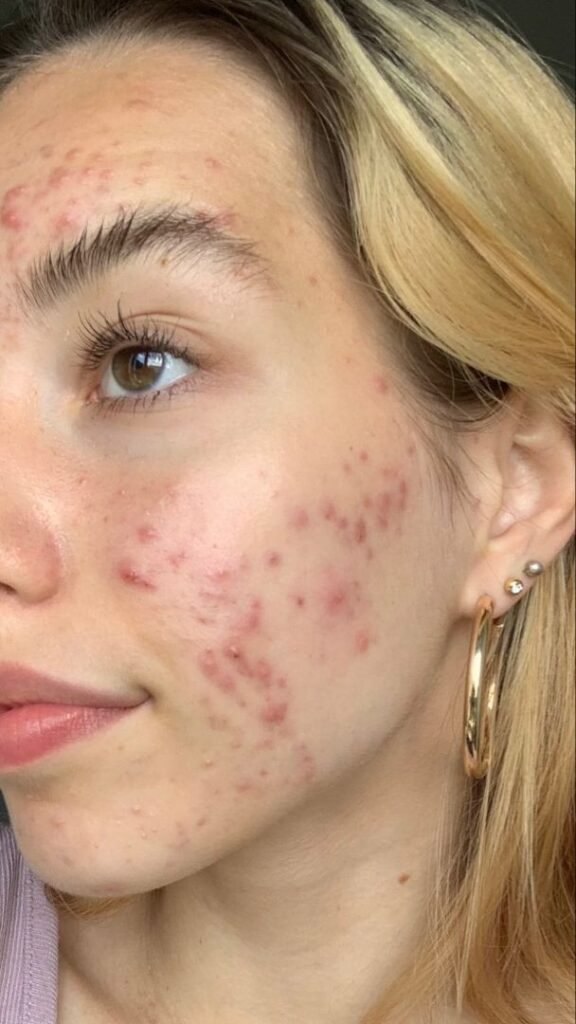
- Adult-onset acne along the jawline and chin. Androgen-driven sebum production has a characteristic lower-face distribution, unlike the T-zone pattern of adolescent acne.
- Mood volatility, anxiety, or low motivation with a cyclical or progressive pattern. Progesterone withdrawal, perimenopausal estradiol instability, and low testosterone all present first as mood changes, often years before other symptoms.
Hormonal Imbalance Symptoms in Females
The most common hormonal imbalance symptoms in females cluster around three conditions: polycystic ovary syndrome (PCOS), thyroid disease, and the perimenopausal transition.
PCOS is the single most common endocrine disorder in women of reproductive age. The World Health Organization estimates that PCOS affects 10–13% of reproductive-aged women, and that up to 70% of affected women are never diagnosed. Its symptom signature is oligomenorrhoea or amenorrhoea, hyperandrogenism (acne, hirsutism, scalp hair thinning), and insulin resistance.
Regional prevalence varies sharply: a case-control study conducted in Lahore cited a reported prevalence as high as 52% among Pakistani women, against roughly 21–23% reported in Australian and New Zealand cohorts, which reflects both genuine population differences and inconsistent diagnostic criteria.
Thyroid disease is the second pillar. Women are five to eight times more likely than men to develop thyroid problems, and one in eight women will develop a thyroid disorder in her lifetime, according to the American Thyroid Association. Symptoms overlap almost perfectly with “just stress”: fatigue, weight change, hair loss, low mood, cold or heat intolerance.
Perimenopause is the third. Vasomotor symptoms hot flushes and night sweats are far more persistent than guidelines once suggested. The Study of Women’s Health Across the Nation (SWAN), published in JAMA Internal Medicine in 2015, followed 1,449 women and found a median total duration of frequent vasomotor symptoms of 7.4 years, persisting a median of 4.5 years after the final menstrual period. Among African American women, the median duration was 10.1 years. If a clinician tells a patient that hot flushes last “a year or two,” that advice is contradicted by the largest longitudinal dataset available.
Hormonal Imbalance in Men: The Quieter Presentation

Hormonal imbalance in men is underestimated because it is gradual rather than cyclical. The Endocrine Society notes that testosterone levels decline by roughly 1% per year after age 30. That is slow enough to be mistaken for normal aging, and it compounds: the Hypogonadism in Males (HIM) study of 2,162 men aged 45 and over attending US primary care found a crude hypogonadism prevalence of 38.7% using a total testosterone threshold below 300 ng/dl.
The same study reported significantly higher odds of hypogonadism in men with obesity (OR 2.38), diabetes (OR 2.09) and hypertension (OR 1.84); metabolic health and hormonal health are not separable in men.
Presentation is typically: loss of morning erections, falling libido, reduced training response despite consistent effort, irritability rather than sadness, and creeping central adiposity. Men also develop thyroid disease and cortisol dysregulation; those conditions are simply screened for less often.
When to Stop Self-Treating and See a Doctor
Book a clinical review rather than self-managing if you have any of the following: periods absent for 90 days or more without pregnancy, galactorrhoea (nipple discharge unrelated to breastfeeding), a visible neck swelling, sudden severe hirsutism or voice deepening, unexplained weight loss with palpitations, persistent vision changes with headaches, or new erectile dysfunction under 40.
These point toward conditions such as pituitary adenoma, thyroid nodule, or androgen-secreting tumour that no supplement protocol addresses.
3. Causes of Hormonal Imbalance
The causes of hormonal imbalance divide cleanly into three tiers, and treating the wrong tier is the most common reason people spend years without improvement.
Tier 1: Medical and Structural Causes
These require diagnosis, not lifestyle change: autoimmune thyroid disease (Hashimoto’s and Graves’), PCOS, pituitary adenomas and hyperprolactinaemia, congenital adrenal hyperplasia, primary ovarian insufficiency, testicular injury or undescended testes, Cushing’s syndrome, Addison’s disease, and iatrogenic causes including corticosteroids, opioids, anabolic steroid use and some antipsychotics.
Hashimoto’s disease, the leading cause of hypothyroidism, is four to ten times more common in women according to NIDDK data.
Tier 2: Lifestyle Drivers with Measurable Endocrine Effects
- Chronic sleep restriction. Quantified in the next section, the effect size is larger than most people expect.
- Energy deficiency and over-training. Sustained low energy availability suppresses the hypothalamic-pituitary-gonadal axis in both sexes, producing amenorrhoea in women and low testosterone in men.
- Visceral adiposity. Adipose tissue is itself endocrine tissue; it aromatises testosterone to estradiol and drives insulin resistance.
- Chronic psychological stress. Sustained cortisol elevation suppresses reproductive signalling, the mechanism behind functional hypothalamic amenorrhoea.
- Alcohol and ultra-processed diets. Both raise insulin and inflammatory load, and alcohol directly impairs gonadal function.
Tier 3: Endocrine-Disrupting Chemicals
The National Institute of Environmental Health Sciences defines endocrine disruptors as natural or man-made chemicals that mimic or interfere with the body’s hormones, and notes that exposure occurs through air, food, water, and skin. NIEHS lists the best-studied among them as bisphenol A (BPA), phthalates, PFAS, dioxins, perchlorate, PBDEs, PCBs, triclosan and atrazine, with research priorities spanning reproduction, thyroid function, obesity and metabolism.
The honest framing matters here, because this topic attracts overstatement. NIEHS notes that people are typically exposed to multiple endocrine disruptors simultaneously, which complicates attributing any individual case of imbalance to any single chemical.
Reducing exposure is sensible risk management: glass or steel over plastic for hot liquids, fragrance-free personal care, avoiding microwaving food in plastic, but it is not a treatment for diagnosed endocrine disease.
4. Side Effects of Hormonal Imbalance You Shouldn’t Ignore
Symptoms are the short-term story. The side effects of hormonal imbalance over years are the reason clinicians treat rather than reassure.
- Cardiometabolic risk. PCOS carries elevated long-term risk of type 2 diabetes, dyslipidaemia and cardiovascular disease. Untreated hypothyroidism raises LDL cholesterol.
- Bone density loss. Low estrogen and low testosterone both accelerate bone turnover. Amenorrhoea in a young athlete is a bone-health emergency, not a training convenience.
- Fertility loss. Anovulation is the leading cause of hormone-related infertility; thyroid dysfunction independently raises miscarriage risk.
- Endometrial risk. Prolonged unopposed estrogen exposure from chronic anovulation increases endometrial cancer risk — the key reason PCOS with fewer than four cycles per year requires management.
- Mental health burden. Rates of depression and anxiety are consistently elevated across PCOS, thyroid disease, perimenopause and hypogonadism.
- Permanent dermatological change. Untreated inflammatory acne scars. Androgenic alopecia in women is difficult to reverse once follicles miniaturise.
5. Hormonal Imbalance Treatment: Clinical Options Compared
Effective hormonal imbalance treatment is condition-specific. There is no universal hormone protocol, and any source offering one is selling something. The comparison below maps the main clinical routes.
| Condition | First-line clinical treatment | Evidence strength | Main trade-off |
|---|---|---|---|
| Hypothyroidism | Levothyroxine, titrated to TSH | Very strong | Some patients report residual symptoms despite normalised labs |
| PCOS (cycle regulation) | Combined oral contraceptive; letrozole for ovulation induction | Strong | COCs mask rather than resolve the underlying picture |
| PCOS (metabolic) | Metformin plus structured weight and activity management | Strong | GI side effects; adherence |
| Menopausal vasomotor symptoms | Menopausal hormone therapy (estrogen ± progestogen) | Strong | Individual risk assessment required; not suitable for all |
| Male hypogonadism | Testosterone replacement in diagnosed cases only | Strong for diagnosed hypogonadism | Suppresses fertility; the FDA has not approved it for aging, performance or appearance |
| Adult female acne | Oral spironolactone with topical agents | Strong (phase 3 RCT) | Not used in men; monitoring required |
| Hyperprolactinaemia | Dopamine agonists | Strong | Requires pituitary imaging first |
Two cautions deserve emphasis. First, the Endocrine Society states plainly that testosterone therapy is recommended only for patients with hypogonadism, and that boosting testosterone is not FDA-approved to improve strength, athletic performance or appearance, or to treat problems associated with aging. The direct-to-consumer testosterone market largely ignores that boundary.
Second, “normal labs” is not the end of the conversation: the standard TSH reference range was designed to detect overt thyroid disease, not to define optimal function for an individual, and a meaningful proportion of treated patients continue reporting symptoms within reference range.
That is a reason for continued clinical dialogue, not for abandoning treatment.
What Testing Actually Looks Like
A defensible first-round workup for suspected imbalance includes TSH with free T4, fasting glucose and HbA1c, fasting insulin or HOMA-IR where insulin resistance is suspected, total and free testosterone (drawn before 10 am for men), SHBG, DHEA-S, prolactin, LH and FSH, and estradiol timed to cycle day 3 in menstruating women. Saliva “adrenal fatigue” panels and hair mineral analysis are not validated diagnostic tools for endocrine disease.
6. Hormonal Imbalance Treatment at Home: What Actually Works
Hormonal imbalance treatment at home is legitimate and powerful for the lifestyle-driven tier and useless for the medical tier. Used correctly, it is adjunctive. Here is the hierarchy, ordered by evidence quality rather than popularity.
Interventions with the Strongest Support
- Protect sleep duration first. The single highest-yield intervention, detailed in section 8.
- Resistance training two to four times weekly. Improves insulin sensitivity, preserves lean mass and supports bone density across both sexes and all decades.
- Reduce glycaemic load. Lower insulin means lower ovarian androgen drive in PCOS and lower IGF-1 overall.
- Modest, sustained fat loss where visceral adiposity is present. Improvements in cycle regularity and testosterone levels frequently follow a 5–10% reduction in body weight.
- Adequate protein and total energy intake. Under-eating is a hormonal stressor, not a hormonal fix — a point most “reset” plans invert.
Vitamins to Balance Hormones for Females
Searches for vitamins to balance hormones for females return dozens of proprietary blends. The defensible list is short:
- Vitamin D. Deficiency is common and is associated with PCOS symptom severity; correcting a documented deficiency is reasonable, supplementing without testing less so.
- Inositol (myo-inositol / D-chiro-inositol). The most-discussed supplement in PCOS. The systematic review informing the 2023 update of the International Evidence-based PCOS Guidelines concluded that evidence suggests benefits for some metabolic measures and potential benefit from D-chiro-inositol for ovulation, but that inositol may have no effect on other outcomes, and the authors described the overall evidence as limited and inconclusive. Myo-inositol does cause fewer gastrointestinal adverse events than metformin.
- Omega-3 fatty acids. Modest anti-inflammatory and triglyceride benefit; not a hormone therapy.
- Magnesium. Supports sleep quality and glucose handling in deficiency; widely oversold beyond that.
- Iodine and selenium. Both are thyroid-critical, and both are genuinely dangerous in excess. High-dose iodine can precipitate thyroid dysfunction. Do not self-dose.
Natural Remedies for Hormonal Imbalance: An Honest Ranking
Among natural remedies for hormonal imbalance, spearmint tea and cinnamon have small trials suggesting modest androgen or glycaemic effects; berberine has reasonable insulin-sensitising data; vitex (chasteberry) has mixed evidence and interacts with dopaminergic medication; maca and ashwagandha have small, short trials with inconsistent endpoints; and “hormone detox” teas, coffee enemas and progesterone creams sold without prescription have no credible efficacy data. Herbal products can also interact with thyroid medication and oral contraceptives, so disclose them to your prescriber.
The realistic rule: lifestyle change moves symptoms substantially in Tier 2 imbalance, and moves diagnosis-level disease very little. A woman with Hashimoto’s will not resolve it with seed cycling. A man with hypogonadism secondary to obesity may genuinely improve it with weight loss and sleep. Knowing which patient you are is the whole game, and that requires testing.
7. Hormonal Acne: Causes, Diet and the Best Treatment
Adult acne is not a teenage leftover. A frequently cited US survey of 1,013 adults aged 20 and over found that 73.3% had experienced acne at some point, and that prevalence among women ran at 50.9% in their 20s, 35.2% in their 30s, 26.3% in their 40s, and 15.3% at 50 and older, significantly higher than men in every adult age bracket. A dermatologist-assessed Finnish population study of women in their 30s concluded that adult female acne affects roughly one third of women to some extent.
Causes of Hormonal Acne
The causes of hormonal acne run through one pathway: androgens bind sebaceous gland receptors, sebum output rises, follicles become hyperkeratinised, Cutibacterium acnes proliferates, and inflammation follows. What raises androgen signalling?
- Elevated circulating androgens, most often from PCOS
- Low sex hormone-binding globulin (SHBG), which raises free androgen index — itself driven by insulin resistance
- Elevated insulin and IGF-1, which amplify androgen effects at the follicle
- Luteal-phase progesterone shifts, producing the classic pre-menstrual flare
- Stopping combined oral contraceptives, causing a rebound androgen surge
- Heightened end-organ sensitivity: many women with hormonal acne have entirely normal bloodwork, which is why normal labs do not rule the diagnosis out
The distribution is diagnostic: lower face, jawline, chin, and neck, often deep and tender, often cyclical. Dréno’s work found that under half of affected women have truncal lesions and only around 11% have exclusively mandibular distribution, so a T-zone pattern does not exclude hormonal drivers either.
Best Hormonal Acne Treatment: What the Trials Show
The strongest recent evidence for the best hormonal acne treatment in adult women comes from the SAFA trial, published in The BMJ in 2023, a pragmatic, multicentre, phase 3, double-blind randomised controlled trial of oral spironolactone in 410 women with facial acne of at least six months’ duration. Participants received 50mg daily, rising to 100mg daily, with topical treatment permitted.
Results: 82% of the spironolactone group reported improvement at week 24 versus 63% on placebo (odds ratio 2.72), with no significant difference at week 12 (72% vs 68%), meaning the drug needs time. Investigator-assessed treatment success at week 12 was reached by 19% on spironolactone against 6% on placebo. Headache was the main excess side effect (20% vs 12%), and no serious adverse reactions were reported.
The practical conclusion drawn by the investigators was that spironolactone offers an alternative to long-term oral antibiotics for adult women, which matters given rising antimicrobial resistance. Spironolactone is not considered suitable for male patients.
| Treatment | Mechanism | Time to visible effect | Evidence |
|---|---|---|---|
| Oral spironolactone | Androgen receptor blockade, reduced sebum | 12–24 weeks | Phase 3 RCT (BMJ 2023) |
| Combined oral contraceptive | Raises SHBG, lowers free androgens | 8–12 weeks | Strong RCT evidence |
| Topical retinoid | Normalises follicular keratinisation | 8–12 weeks | Strong; first-line adjunct |
| Isotretinoin | Sebaceous gland suppression | 8–16 weeks | Strong; for severe or scarring disease |
| Low-glycaemic-load diet | Lowers insulin, IGF-1, free androgen index | 10–12 weeks | Moderate; several RCTs |
| Reducing skim milk intake | Reduces IGF-1 signalling | Variable | Observational; modest effect |
| Spearmint tea | Possible mild anti-androgen effect | Unclear | Weak; small trials |
| “Detox” teas and supplements | None established | — | None |
Hormonal Acne Diet: What the Food Evidence Really Supports
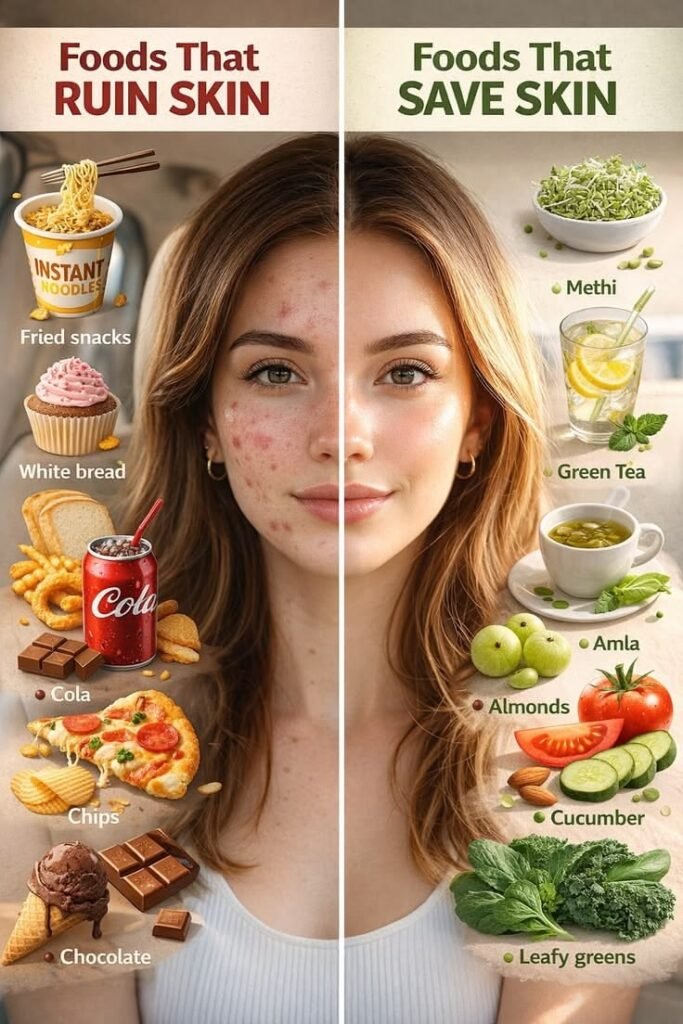
The hormonal acne diet question has two well-tested answers and a lot of noise. On glycaemic load: Smith and colleagues randomised 43 young men with acne to a 12-week low-glycaemic-load diet or a control diet with investigator-masked dermatology assessment, and the intervention group showed a greater reduction in inflammatory lesion counts and improvements in free androgen index and IGF-1 binding proteins. A follow-up analysis reported a 59% reduction in lesion counts on the low-glycaemic-load diet versus 38% on control. A separate two-week RCT of 66 adults with moderate-to-severe acne found significant IGF-1 reductions on a low glycaemic index and load diet.
On dairy: a meta-analysis by Juhl and colleagues covering 78,529 children, adolescents and adults reported odds ratios of 1.25 for any dairy intake and 1.32 for skim milk. That is a real but modest association, and it is observational; notably, skim milk shows a stronger signal than whole milk, which argues against fat content being the driver.
Practical translation: prioritise low-glycaemic carbohydrates, adequate protein, and a trial reduction of skim milk and whey protein isolate for 10–12 weeks before judging. Do not eliminate entire food groups indefinitely on the basis of observational odds ratios.
Hormonal Imbalance Acne Treatment at Home — and Dermatological Advice
Sensible hormonal imbalance acne treatment at home: a non-stripping cleanser twice daily, adapalene 0.1% nightly (available over the counter in many markets), azelaic acid 10–20% for post-inflammatory hyperpigmentation, benzoyl peroxide for inflammatory lesions, non-comedogenic SPF daily, and strictly no picking. Add dietary glycaemic control and sleep regularity. Give any regimen 12 weeks.
Standard dermatological advice for hormonal acne is unambiguous on three points: do not use oral antibiotics as long-term monotherapy, because resistance is the driver behind guidance shifts toward spironolactone; escalate early if lesions are nodular or scarring, because scarring is permanent and treatment delay is the main preventable cause of it; and screen for PCOS when acne coexists with irregular cycles or hirsutism, because the acne is then a symptom of a systemic condition.
8. Hormonal Health and Sleep: The Overnight Reset That Actually Exists
If you only change one variable, change this one. The link between hormonal health and sleep is the best-quantified relationship in this entire guide.
Leproult and Van Cauter, publishing in JAMA in 2011, had ten healthy young men (mean age 24) sleep up to ten hours nightly for three nights, then under five hours nightly for eight nights, with blood sampled every 15 to 30 minutes across 24 hours. Daytime testosterone fell by 10–15%.
The researchers noted that normal aging reduces testosterone by roughly 1–2% per year, so one week of short sleep reproduced the endocrine effect of aging a decade or more. Vigor scores fell progressively from 28 after the first night to 19 by the seventh. Van Cauter’s own framing is worth keeping: short sleep duration and poor sleep quality are increasingly recognised as endocrine disruptors. The study noted that at least 15% of the US working population sleeps under five hours nightly.
The mechanism is bidirectional and extends well beyond testosterone. Growth hormone is secreted predominantly in early-night slow-wave sleep. Cortisol follows a circadian curve that sleep loss flattens and elevates in the evening. Leptin and ghrelin shift toward increased hunger after restriction. Melatonin suppression from evening light delays the entire cascade.
The sleep protocol that moves hormones
- Fixed wake time, seven days a week — anchoring wake time stabilises the cortisol curve more reliably than fixing bedtime
- Seven to nine hours in bed, treated as a non-negotiable appointment
- 10–30 minutes of outdoor light within an hour of waking
- No alcohol within three hours of bed — it fragments the slow-wave sleep that carries growth hormone release
- Caffeine cut-off eight to ten hours before bed
- Bedroom at 18–20°C and genuinely dark
- If you snore heavily and wake unrefreshed, get screened for obstructive sleep apnoea — untreated apnoea independently suppresses testosterone
9. Aging and Hormonal Health: What Changes After 30, 40 and 50
Aging and hormonal health follow different curves in each decade, and the interventions that work change accordingly.
Hormonal Health After 30
Hormonal health after 30 is mostly about trajectory, not crisis. Male testosterone begins its roughly 1% annual decline. Female fertility begins declining while cycles remain outwardly regular. Lean mass starts falling without deliberate resistance training, which quietly worsens insulin sensitivity. Adult female acne is still highly prevalent at 35.2% in this decade.
Priorities: establish resistance training as a permanent habit, get a baseline panel (TSH, HbA1c, lipids, ferritin, vitamin D), track cycle length for three months, and treat sleep as infrastructure. Women considering later pregnancy can discuss AMH testing while understanding its limits as a predictor.
Hormonal Health After 40
Hormonal health after 40 is dominated, for women, by perimenopause, and perimenopause is characterised by erratic estradiol, not low estradiol. That volatility is why symptoms often precede any abnormal lab result, and why a single blood test taken on one day cannot rule perimenopause out.
The SWAN finding is critical for expectation-setting: frequent vasomotor symptoms lasted a median of 7.4 years, with longer duration linked to earlier symptom onset, greater perceived stress, and higher baseline anxiety and depressive symptoms.
For men in their 40s, the HIM study prevalence figure of 38.7% hypogonadal at 45 and over lands in this decade, heavily mediated by obesity and diabetes.
Priorities: symptom tracking rather than single-point testing, protein intake raised to protect lean mass, bone-loading exercise, an informed conversation about menopausal hormone therapy for those with disruptive vasomotor symptoms, and metabolic screening for men.
Hormonal Health After 50
Hormonal health after 50 shifts from managing fluctuation to managing consequences. Post-menopausal estradiol settles at a low, stable level, accelerating bone loss and altering cardiovascular risk. Vasomotor symptoms persist a median of 4.5 years after the final menstrual period, longer for many. Adult acne still affects 15.3% of women at 50 and older. In men, sarcopenia accelerates, and metabolic comorbidity becomes the dominant modifier of testosterone.
Priorities: DEXA-informed bone protection, calcium and vitamin D sufficiency, progressive resistance training, cardiovascular risk management, and individualised discussion of hormone therapy timing and risk with a clinician rather than an algorithm.
| Decade | Dominant change (women) | Dominant change (men) | Highest-yield action |
|---|---|---|---|
| 30s | Subtle fertility decline; acne persists in ~35% | Testosterone begins ~1%/year decline | Build resistance training + baseline labs |
| 40s | Perimenopause; erratic estradiol | Hypogonadism prevalence rises sharply with metabolic disease | Track symptoms; raise protein; treat metabolic risk |
| 50s+ | Post-menopause; bone and cardiovascular risk | Sarcopenia; comorbidity-driven decline | Bone loading, DEXA, individualised therapy discussion |
The 14-Day Hormone Reset and the 7-Day Hormone Reset Diet: Evidence vs Marketing
Two of the most-searched phrases in this space are the 14-day hormone reset and the 7-day hormone reset diet. Here is the accurate answer: no peer-reviewed clinical trial has validated any branded 7-day or 14-day hormone reset protocol as a treatment for diagnosed endocrine disease.
What these programmes typically bundle removing alcohol and ultra-processed food, lowering glycaemic load, standardising sleep, raising protein, and reducing caffeine are individually evidence-supported behaviours. The bundle is not magic; the components are useful.
What can genuinely change in two weeks: insulin sensitivity and fasting insulin, sleep-mediated testosterone (the JAMA data shows the effect emerging within a single week in both directions), cortisol rhythm, water retention, energy and mood. What cannot change in two weeks: thyroid antibody status, PCOS diagnosis, follicular reserve, established androgenic alopecia, or the natural course of perimenopause.
| Common claim | Verdict | What’s actually true |
|---|---|---|
| “Reset your hormones in 7 days” | Overstated | Insulin and sleep-linked hormones respond in days; structural conditions do not |
| “Detox your liver to clear estrogen” | Unsupported | Estrogen metabolism is continuous; no supplement is needed to enable it |
| “Cut all carbs to fix hormones” | Counterproductive | Chronic under-fuelling suppresses reproductive hormones |
| “Seed cycling balances your cycle” | No clinical evidence | Harmless, but not a treatment |
| “Adrenal fatigue is causing this” | Not a recognised diagnosis | Adrenal insufficiency is real and testable; “adrenal fatigue” is not |
| “Lifestyle change improves many imbalances” | Supported | True for insulin resistance, sleep-driven and weight-driven imbalance |
The Best Way to Reset Your Hormones (A 14-Day Protocol Worth Running)
If you want a structured trial, run this as a diagnostic experiment rather than a cure. The best way to reset your hormones in a fortnight:
- Days 1–14, sleep: fixed wake time, 7–9 hours in bed, morning outdoor light, no alcohol.
- Days 1–14, glycaemic load: protein and fibre at every meal; remove sugar-sweetened drinks entirely.
- Days 1–14, training: three resistance sessions plus daily walking; no new endurance blocks, which add stress without endocrine benefit here.
- Days 1–14, stress load: one genuine down-regulation practice daily; walking without a phone counts.
- Days 1–14, exposure reduction: no plastic with hot food, fragrance-free products.
- Day 15: review a symptom log scored daily on energy, sleep quality, mood, skin, cravings, and cycle symptoms. Substantial improvement points to a Tier 2 lifestyle driver. Little or no improvement is your signal to get tested rather than to buy a longer programme.
That final step is the part commercial resets leave out, and it is the most valuable one.
FAQ / People Also Ask
What are the 7 main hormones?
The seven hormones most often flagged as central to everyday health are insulin, cortisol, thyroid hormones (T3 and T4), estrogen, progesterone, testosterone and melatonin. Together they govern metabolism, stress response, reproduction, sleep and mood. The body produces more than 50 hormones in total, but these seven account for the majority of symptomatic imbalance seen in general practice.
How to cure hormonal imbalance in female patients?
Treatment depends entirely on the cause, and many hormonal conditions are managed rather than cured. PCOS is managed with metabolic and cycle-regulating treatment; hypothyroidism is treated with levothyroxine replacement; perimenopausal symptoms may be treated with hormone therapy. Lifestyle-driven imbalance from sleep loss, under-eating, or insulin resistance can often be fully reversed. Accurate diagnosis must come first.
How can I improve my hormonal health?
Start with sleep: one week of under five hours nightly lowered testosterone 10–15% in a JAMA-published trial. Then add resistance training two to four times weekly, lower your dietary glycaemic load, eat enough protein and total energy, manage chronic stress, and reduce endocrine-disruptor exposure. Get baseline labs rather than guessing, because Tier 1 medical causes will not respond to lifestyle change alone.
Can hormonal health be improved without medication?
Frequently yes for lifestyle-driven imbalance, and rarely for structural disease. Insulin resistance, sleep-suppressed testosterone, weight-related hormonal disruption and stress-driven cycle irregularity all respond meaningfully to behaviour change. Autoimmune thyroid disease, pituitary tumours and primary ovarian insufficiency require medical treatment. The two-week protocol above is a practical way to distinguish which category you fall into.
What can I drink to clear hormonal acne?
No drink clears hormonal acne on its own. Water and unsweetened drinks help by displacing sugar-sweetened beverages, which raise insulin and IGF-1. Spearmint tea has small trials suggesting mild anti-androgen effects, though evidence is weak. Reducing skim milk is better supported: a meta-analysis of 78,529 people found odds ratios of 1.25 for any dairy and 1.32 for skim milk.
What foods trigger hormonal acne?
High-glycaemic foods are the best-evidenced trigger. Randomised trials show low-glycaemic-load diets reduce lesion counts one reported a 59% reduction versus 38% on a control diet by lowering insulin, IGF-1 and free androgen index. Skim milk and whey protein isolate show a modest observational association. Chocolate and greasy food, despite the folklore, have far weaker evidence.
What are hormonal imbalance symptoms in females?
The most common are irregular or absent periods, unexplained weight change, fatigue unrelieved by sleep, jawline acne, excess facial or body hair, hair thinning, mood volatility, low libido, and hot flushes or night sweats in midlife. PCOS affects 10–13% of reproductive-aged women per WHO, with up to 70% undiagnosed, so persistent symptoms deserve testing, not reassurance.
Can hormones be fixed permanently?
Some can, some are managed lifelong. Hormonal disruption caused by sleep deprivation, under-fuelling, excess visceral fat or high alcohol intake is usually reversible once the driver is removed. Autoimmune thyroid disease, type 1 diabetes and primary ovarian insufficiency require ongoing treatment. PCOS sits in between; symptoms often improve substantially with metabolic management, but the underlying tendency persists.
Conclusion: Treat Hormonal Health as a System, Not a Symptom
Three things to take away:
- Test before you treat. With up to 60% of thyroid disease and up to 70% of PCOS undiagnosed, the most common mistake is self-treating an undiagnosed medical condition with lifestyle tactics.
- Sleep is the highest-yield lever you control. One week of five-hour nights cuts testosterone 10–15% in healthy young men — comparable to aging a decade.
- Evidence beats protocols. Spironolactone, low-glycaemic-load eating, resistance training, and condition-specific medical treatment have trial data. Branded hormone resets do not.
Strong hormonal health comes from a system that holds steady under load: enough sleep, enough food, enough muscle, manageable stress, and timely medical diagnosis when symptoms persist. Start today by logging your symptoms for 14 days and booking a baseline hormone panel, then use the protocol above to find out whether your imbalance is one you can fix at the kitchen table, or one that needs a clinician.
Medical disclaimer: this article is for education and does not replace individual medical advice, diagnosis or treatment. Consult a qualified clinician before starting, stopping, or changing any medication, supplement, or hormone therapy.



Post Comment