Taylor Swift Albums In Order: The perfect Guide (2006-2006)
Explore Taylor Swift albums in order, from her 2006 debut to The Life of a Showgirl: covers, colors, eras, and fan FAQs. Start exploring now.
Taylor Swift has released 12 original studio albums and four re-recorded “Taylor’s Version” albums since 2006, making her one of the most prolific and commercially dominant songwriters in modern music history.
If you’ve ever found yourself trying to remember whether Red came before or after Speak Now, or which album has the checkered cover versus the one with the butterflies, you’re not alone. Swift’s catalog now spans two decades, multiple genres, and one of the most talked-about rebranding sagas in pop culture.
In this article, you’ll explore the complete list of Taylor Swift albums in order, what each Taylor Swift album cover represents, the story behind her Taylor Swift debut, how the Taylor Swift CD album era gave way to streaming-first releases, and why her most recent record made headlines for being Taylor Swift’s album not eligible for the 2026 Grammys.
We’ll also unpack the lawsuit over her newest album’s title, her signature color palettes, and answer the most common questions fans search for, including whether Taylor Swift’s 13th album actually exists and the truth behind the American Idol rumor.
Taylor Swift Albums In Order: The Complete Timeline
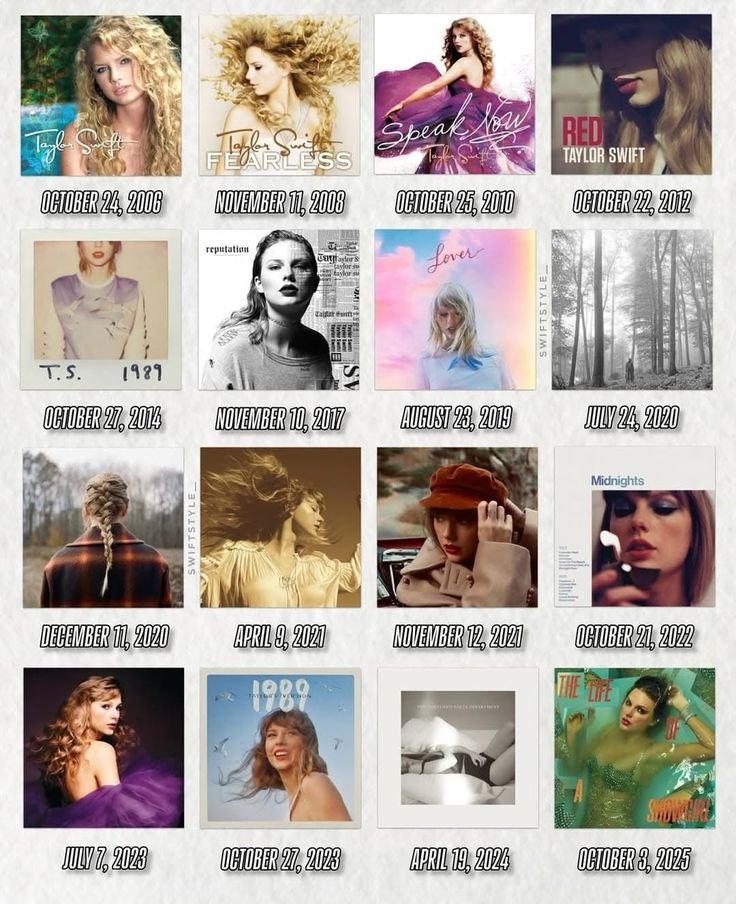
Understanding the Taylor Swift albums in order is the fastest way to understand her entire artistic evolution from a teenage country singer-songwriter in Nashville to a global pop institution. Below is the full chronological list of studio Taylor Swift original albums (excluding re-recordings, live albums, and EPs).
The 12 Original Studio Albums
| # | Album | Release Year | Genre | Signature Sound |
|---|---|---|---|---|
| 1 | Taylor Swift | 2006 | Country | Confessional teenage storytelling |
| 2 | Fearless | 2008 | Country-pop | Fairy-tale romance, youthful hope |
| 3 | Speak Now | 2010 | Country-pop | Self-written, theatrical narratives |
| 4 | Red | 2012 | Pop/Country crossover | Emotional extremes, first pop crossover hits |
| 5 | 1989 | 2014 | Synth-pop | Full pop reinvention |
| 6 | Reputation | 2017 | Electro-pop/R&B | Darker, defiant, media-critical |
| 7 | Lover | 2019 | Pop | Bright, romantic, pastel optimism |
| 8 | Folklore | 2020 | Indie folk/alternative | Introspective, narrative-driven |
| 9 | Evermore | 2020 | Indie folk/alternative | Folklore‘s “sister” record |
| 10 | Midnights | 2022 | Synth-pop/dream pop | Late-night reflections and anxieties |
| 11 | The Tortured Poets Department | 2024 | Alternative pop | Raw, literary heartbreak |
| 12 | The Life of a Showgirl | 2025 | Soft pop/soft rock | Glamour, burlesque aesthetics, backstage life |

Why the Order Matters
Fans searching for Taylor Swift albums in order are usually trying to do one of three things: build a chronological listening experience, understand how her sound changed over time, or settle a debate about which era came first. Notice how her career breaks into three broad chapters:
- The Nashville country era (Taylor Swift, Fearless, Speak Now)
- The pop crossover and reinvention era (Red, 1989, Reputation, Lover)
- The introspective and independent era (Folklore, Evermore, Midnights, The Tortured Poets Department, The Life of a Showgirl)
The Taylor Swift Debut Era: How It All Started
At What Age Did Taylor Swift Release Her Debut?
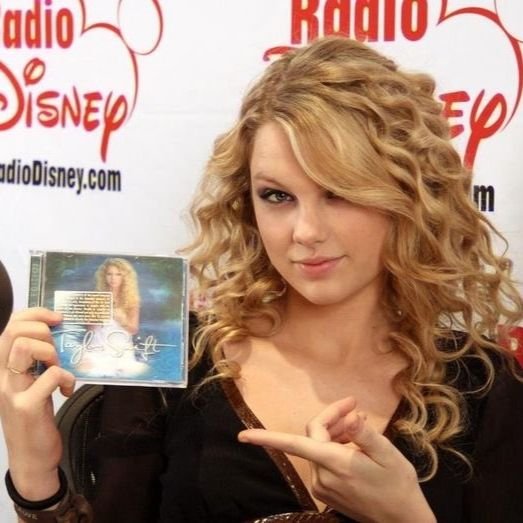
Taylor Swift was 16 years old when her self-titled debut album, Taylor Swift, was released on October 24, 2006, through Big Machine Records. She had moved to Nashville with her family as a young teenager specifically to pursue a country music career, writing songs and performing at local venues like the Bluebird Café before landing her record deal.
What Was the First Song Taylor Swift Ever Released?
The first song Taylor Swift released commercially was “Tim McGraw,” which came out on June 19, 2006, months ahead of the full album. She wrote the song reportedly the idea came to her in math class about a relationship that was ending as her boyfriend at the time left for college. It became a top-10 country hit and established the confessional songwriting style that would define her early career.
Taylor Swift’s Dad and the Big Machine Deal
One detail that shows up often in searches is the claim that Taylor Swift’s dad bought her album or bought his way into her career. The reality is more specific: Taylor’s father, Scott Swift, a former stockbroker, invested roughly $500,000 into Big Machine Records around the time the label signed his daughter, becoming a shareholder in the company.
This wasn’t a case of simply purchasing an album deal; Swift had already turned down other offers, including a development deal from a major label, because she wanted to release original music immediately rather than wait years to be developed as an artist.
The Debut Album Itself
The debut Taylor Swift album was recorded largely in 2005 and released in October 2006. Swift wrote or co-wrote all 11 original tracks, an unusual feat for a teenage artist at the time. Five singles were released from the record: “Tim McGraw,” “Teardrops on My Guitar,” “Our Song,” “Picture to Burn,” and “Should’ve Said No,” and all five were eventually certified platinum or higher.

Taylor Swift Albums Covers and Color Palettes, Era by Era
Part of what makes Swift’s discography so recognizable is how deliberately each Taylor Swift album cover and color palette signals a distinct visual “era.” Fans have turned this into a whole subculture of theory-crafting, color-coding, and aesthetic analysis.
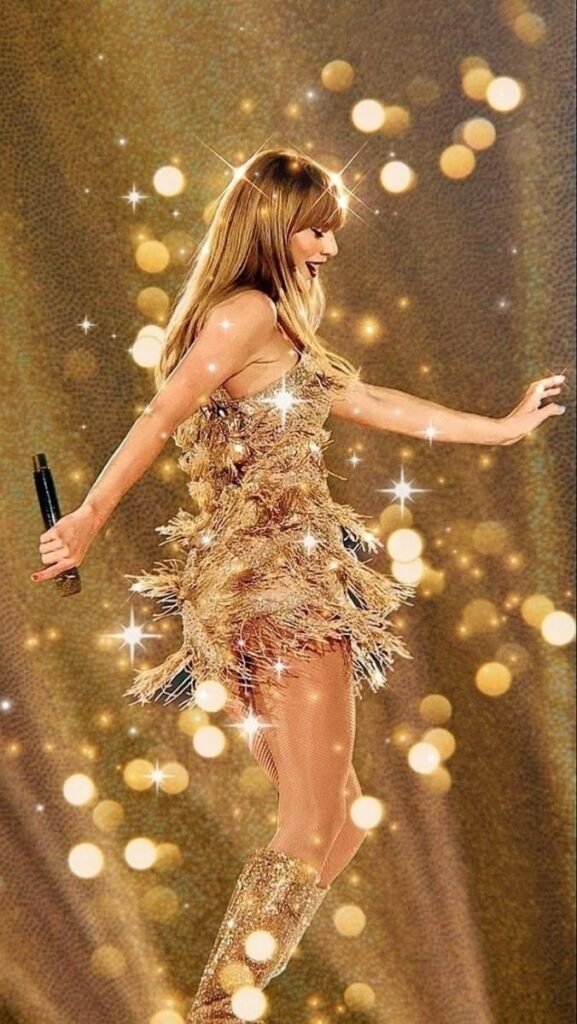
Taylor Swift album covers Fearless editions are instantly recognizable for their warm, hazy gold-and-sepia tones. The cover photograph shows Swift mid-motion in a flowing dress, evoking the fairy-tale romanticism that defines the record’s lyrical content. Gold became so associated with this era that it was revived visually for the 2021 re-recording, Fearless (Taylor’s Version).
The Evolution of Taylor Swift Albums Color Palettes
Looking at Taylor Swift albums’ color palettes as a full sequence tells its own story:
- Taylor Swift (2006): earthy browns and denim blues, echoing country roots
- Fearless (2008): golden sepia
- Speak Now (2010): deep purple, evoking theatrical drama
- Red (2012): scarlet red against black-and-white
- 1989 (2014): pale blue Polaroid aesthetic
- Reputation (2017): stark black-and-white newsprint
- Lover (2019): pastel pink and blue clouds
- Folklore (2020): desaturated grays and forest tones
- Evermore (2020): burnt oranges and browns
- Midnights (2022): deep navy and moody blue
- The Tortured Poets Department (2024): muted black-and-white, typewriter aesthetic
- The Life of a Showgirl (2025): art deco glamour, metallics, and burlesque-inspired jewel tones
This color-coding has become so consistent that fans often predict new album themes based on leaked color schemes in merchandise or social media teasers before an official announcement.
The Life of a Showgirl: The New Album, the Grammy Snub, and the Lawsuit
Taylor Swift’s New Album, Explained
Taylor Swift’s new album, The Life of a Showgirl, is her 12th studio album, released on October 3, 2025, through Republic Records. She wrote and recorded it with longtime collaborators Max Martin and Shellback in Sweden during the European leg of the Eras Tour in 2024. The record leans into a glamorous, art-deco “showgirl” aesthetic and soft-pop, soft-rock instrumentation, and it debuted with the biggest single-week sales total for an album in modern chart history.
Is There a Taylor Swift 13th Album?
Given how closely fans track the number 13 as Swift’s lucky number, it’s a common search to look for a Taylor Swift 13th album. As of this writing, no such album exists. The Life of a Showgirl is officially her 12th studio album, not her 13th. The confusion largely stems from fan speculation and the symbolic weight the number 13 carries in her career and branding.
Why Taylor Swift’s Album Was Not Eligible for the 2026 Grammys
One of the most-searched questions about her recent work is why Taylor Swift’s album was not eligible for the 2026 Grammys. The answer comes down to timing rather than any snub or controversy. The eligibility window for the 68th Grammy Awards covered releases between August 31, 2024, and August 30, 2025.
The Life of a Showgirl came out on October 3, 2025, more than a month after that cutoff, meaning it simply missed the window rather than being excluded on merit. The album is now eligible for the 2027 Grammy Awards instead. It’s worth noting this isn’t unprecedented for Swift: her 2017 album Reputation similarly missed a Grammy eligibility window and became eligible the following year.
Taylor Swift Sued Over Her New Album’s Name
In one of the more unusual headlines of the era, Taylor Swift was sued over her new album’s name. A Las Vegas entertainer named Maren Wade (legally Maren Flagg) filed a trademark infringement lawsuit in March 2026, arguing that “The Life of a Showgirl” is confusingly similar to “Confessions of a Showgirl,” a brand Wade built over roughly a decade through a newspaper column, podcast, and live cabaret show, and which she trademarked in 2015.
According to the lawsuit, when Swift’s team attempted to trademark “The Life of a Showgirl,” the U.S. Patent and Trademark Office reportedly declined the application because it was too similar to Wade’s existing mark. Wade’s legal team has sought both damages and an injunction to stop further use of the merchandise branding.
Swift’s attorneys have pushed back strongly, calling claims of consumer confusion between the two brands unfounded. As of this writing, the case remains ongoing.

Taylor’s Version: The Re-Recorded Albums Explained
A major subplot in Swift’s discography is her ongoing project to re-record her first six albums after a dispute over ownership of her original master recordings. So far, four re-recorded albums have been released:
- Fearless (Taylor’s Version) 2021
- Red (Taylor’s Version) 2021
- Speak Now (Taylor’s Version) 2023
- 1989 (Taylor’s Version) 2023
These re-recordings aren’t simple re-releases; each includes “From the Vault” tracks, previously unreleased songs written during the original recording sessions but left off the final albums. Red (Taylor’s Version), for example, runs well over two hours thanks to its expanded tracklist, making it one of the longest mainstream pop albums ever released.
How to Play Taylor Swift Songs on Instruments
Because so much of Swift’s catalog started with acoustic guitar and piano, playing Taylor Swift songs on instruments has become a massive category for beginner musicians. A few practical starting points if you’re learning:
- Guitar beginners often start with earlier country-era songs, which tend to rely on simple, repeating chord progressions well suited to acoustic strumming patterns.
- Piano learners frequently gravitate toward tracks from Folklore, Evermore, and Midnights, which were built around piano-led arrangements and slower tempos that are easier to learn by ear.
- Ukulele players find that many of her pop-era choruses translate well to four-chord arrangements, since much of contemporary pop leans on similar chord families.
- Sheet music and chord charts for her catalog are widely available through licensed retailers, which is the appropriate way to access accurate, legal transcriptions rather than relying on unofficial lyric or tab sites.
FAQ: (Taylor Swift’s Albums )
How many studio albums does Taylor Swift have?
Taylor Swift has 12 original studio albums, released between 2006 and 2025, plus four re-recorded “Taylor’s Version” albums. Together, her original and re-recorded studio work totals 16 full-length releases, not counting live albums, EPs, and compilations.
What is Taylor Swift’s newest album?
Her most recent and 12th studio album is The Life of a Showgirl, released October 3, 2025. It was recorded in Sweden with producers Max Martin and Shellback during her Eras Tour.
Does Taylor Swift have a 13th album?
No. As of now, The Life of a Showgirl is her 12th studio album, not her 13th, despite fan speculation tied to her affinity for the number 13.
Why wasn’t Taylor Swift nominated for a 2026 Grammy?
The Life of a Showgirl was released on October 3, 2025, after the 2026 Grammy eligibility window closed on August 30, 2025. It wasn’t a snub; the album simply missed the cutoff and is now eligible for the 2027 ceremony instead.
Is Taylor Swift being sued over her new album title?
Yes. Las Vegas entertainer Maren Wade filed a trademark infringement lawsuit in March 2026, claiming “The Life of a Showgirl” is confusingly similar to her existing trademarked brand, “Confessions of a Showgirl.” The case is ongoing.
Was Taylor Swift ever on American Idol?
No. Despite a persistent rumor, Taylor Swift was never a contestant, guest judge, or performer on American Idol. Her career began independently in Nashville, where she signed with Big Machine Records at age 15 and released her debut single at 16.
What was Taylor Swift’s first song? Her first officially released song was “Tim McGraw,” released June 19, 2006, ahead of her self-titled debut album. She wrote it about a high-school relationship ending as her boyfriend left for college.
How old was Taylor Swift when she released her debut album? She was 16 years old when her self-titled debut album came out on October 24, 2006, though she had already signed her record deal at 15.
Conclusion
Taylor Swift’s discography tells a bigger story than a simple list of release dates it’s a two-decade arc from a teenage songwriter in Nashville to one of the most commercially dominant artists in music history.
Three takeaways worth remembering: first, she has 12 original studio albums and four re-recorded “Taylor’s Version” albums, not 13; second, her most talked-about recent controversies the 2026 Grammy eligibility gap and the ongoing trademark lawsuit over The Life of a Showgirl are both explainable by timing and branding disputes rather than any decline in her output; and third, each era’s cover art and color palette functions as a deliberate visual signature that’s become part of how fans track her evolution.
Whether you’re catching up on the full list of Taylor Swift albums in order or trying to settle a debate about her debut era, her catalog remains one of the most thoroughly documented and most searched in modern pop music.



Post Comment