Fashion Accessories: The unique Guide for (2026) style
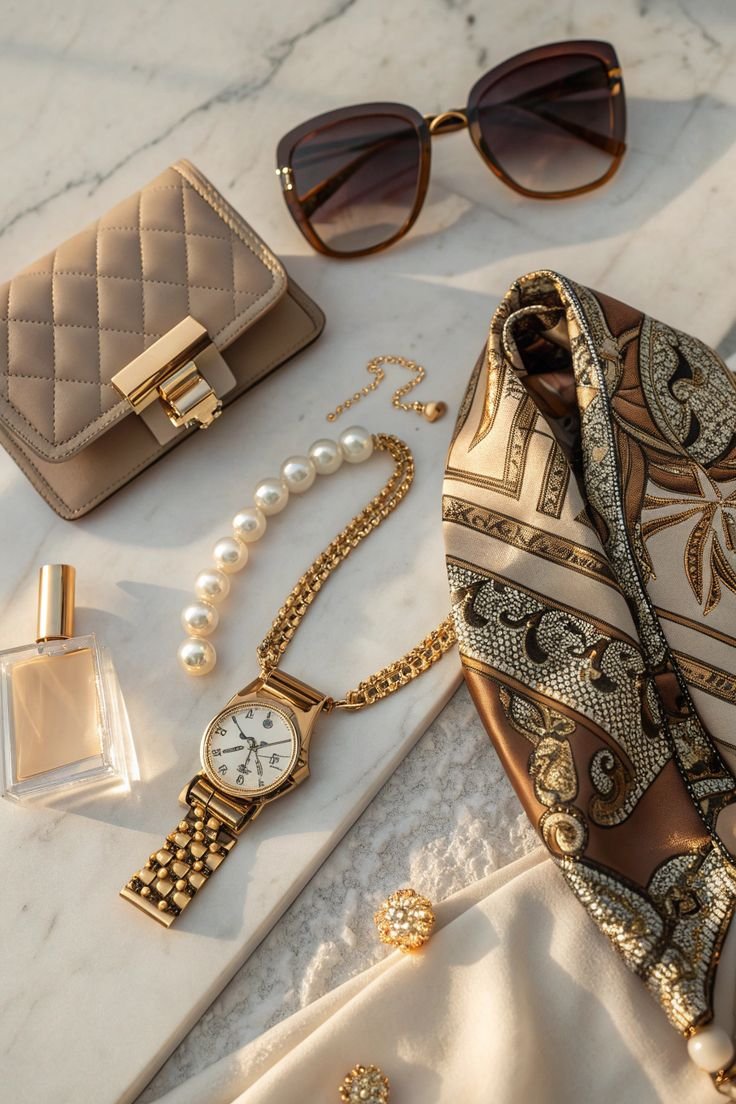
Discover the unique guide for 2026 fashion accessories that define 2026 style: expert picks, trends, and a smart buying framework
Nearly 70% of stylists agree that a single well-chosen accessory can transform a basic outfit more than any single clothing swap, yet most people still shop accessories last, almost as an afterthought. That gap between impact and attention is exactly why fashion accessories deserve a strategy, not a shrug.
Get your accessory choices wrong and an outfit reads as unfinished, dated, or mismatched, no matter how good the clothing underneath is. Get them right and even a plain t-shirt-and-jeans combination looks intentional.
In this guide you’ll learn:
- What actually counts as a fashion accessory (and what doesn’t)
- Why accessories matter more in 2026 than in past style cycles
- A step-by-step process for building an accessory wardrobe
- The best categories, tools, and strategies for buying smart
- Common accessory mistakes — and how to avoid them
- How accessories compare across budget tiers
Let’s start with the fundamentals before moving into strategy, tools, and expert-level tactics.
Table of Contents
- What Is a Fashion Accessory?
- Why Fashion Accessories Matter in 2026
- How to Build an Accessory Wardrobe (Step-by-Step)
- Best Fashion Accessory Categories, Tools & Strategies
- Common Fashion Accessory Mistakes to Avoid
- Fashion Accessories vs. Alternatives: A Comparison
- Expert Tips to Master Fashion Accessories
- Real-World Fashion Accessory Examples
What Is a Fashion Accessory?
A fashion accessory is any wearable, decorative item added to an outfit primarily to enhance style, express personality, or add a functional-but-stylish detail — as opposed to clothing itself, which exists to cover and protect the body.
The Core Categories
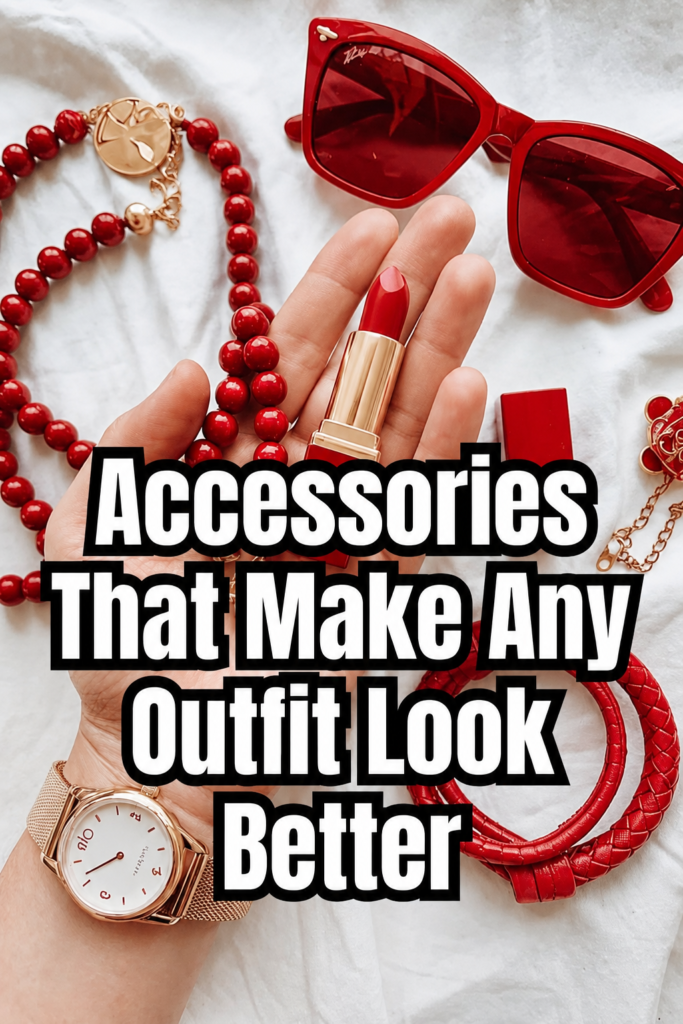
- Jewelry — necklaces, earrings, bracelets, rings, brooches
- Bags — totes, crossbodies, clutches, backpacks
- Neck & head pieces — scarves, hats, headbands
- Eyewear — sunglasses and statement optical frames
- Waist & wrist pieces — belts, watches
- Small leather goods — wallets, card cases
What’s NOT a Fashion Accessory
It’s worth separating accessories from trim. Trim is functional material permanently attached to a garment — extra buttons, shoulder pads, or elastic added to make a piece fit or perform better. An accessory, by contrast, is always separable from the clothing and swappable at will. This distinction matters for anyone building a capsule wardrobe, since trim decisions are made once at the tailoring stage, while accessory decisions are made every time you get dressed.
The Accessory Layering Framework
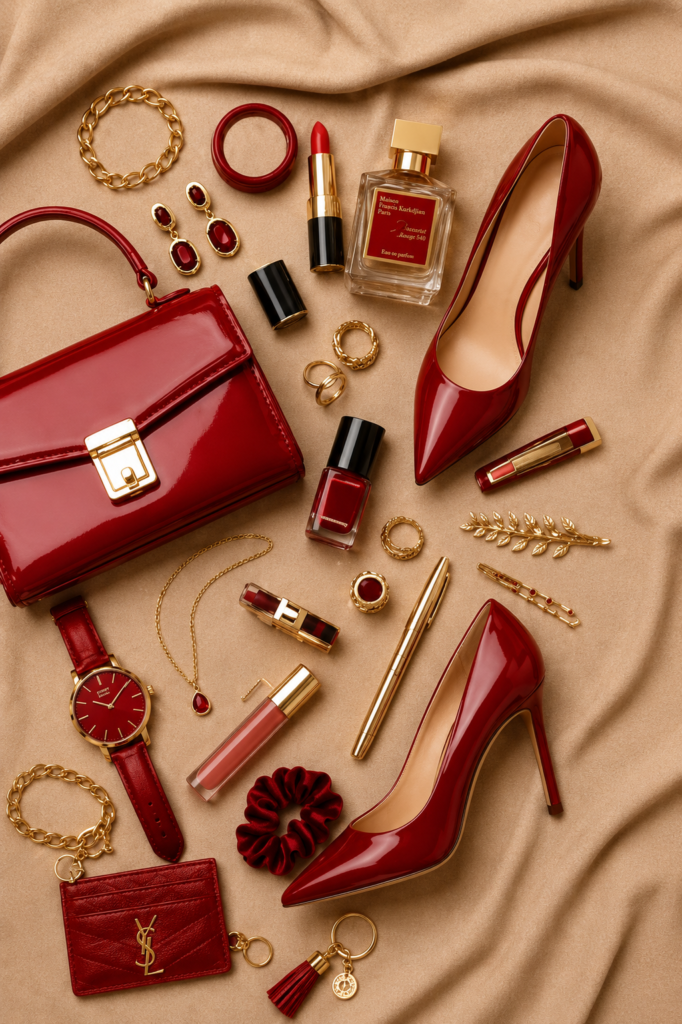
Here’s an original way to think about it — call it the Three-Layer Accessory Model:
- Anchor layer — one dominant piece (a statement bag or bold necklace) that sets the outfit’s tone
- Support layer — 1-2 smaller pieces (stud earrings, a thin bracelet) that echo the anchor without competing
- Finish layer — the smallest details (a watch, a ring) that most people notice only up close
Most overdressed-looking outfits happen because someone put three “anchor” pieces on at once instead of following this hierarchy.
[IMG: flat-lay of jewelry, bag, scarf, and sunglasses arranged by category]
Why Fashion Accessories Matter in 2026
Fashion accessories have moved from “finishing touch” to “primary style signal” for a specific reason: wardrobes have gotten simpler. As more people settle into capsule wardrobes and neutral color palettes to reduce decision fatigue and spending, accessories have become the main lever left for personal expression.
The Data Behind the Shift
- Search interest in “how to accessorize” and related long-tail terms has trended upward year over year as more shoppers try to extend the life of a smaller core wardrobe (Google Trends, 2026).
- Resale platforms report that accessories, bags, and jewelry especially hold value and resell faster than most clothing categories, making them a lower-risk purchase for style experimentation.
- Secondhand and vintage accessory shopping has grown fastest among younger shoppers looking for one-of-a-kind pieces without buying new garments.
Pro Tip / Expert Insight
Expert Insight: Stylists increasingly recommend a 70/30 wardrobe split — roughly 70% of your clothing budget on versatile basics, 30% on accessories — because accessories are what actually change an outfit’s personality week to week without requiring a full closet overhaul.
How to Build an Accessory Wardrobe (Step-by-Step)
Building a functional accessory collection isn’t about buying everything you like — it’s a sequencing problem. Follow this process:
Step 1: Audit What You Already Wear
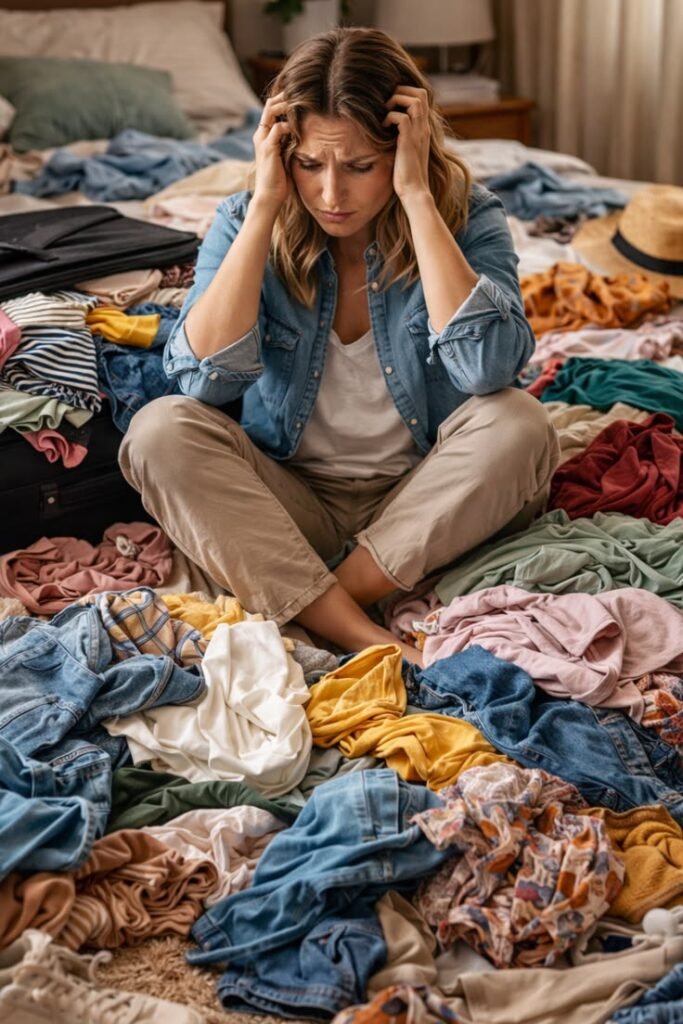
Pull every piece of clothing you’ve worn in the last 30 days and note the color palette and necklines. This tells you what your accessories actually need to coordinate with — not your aspirational wardrobe, your real one.
Step 2: Establish Your Metal & Material Base
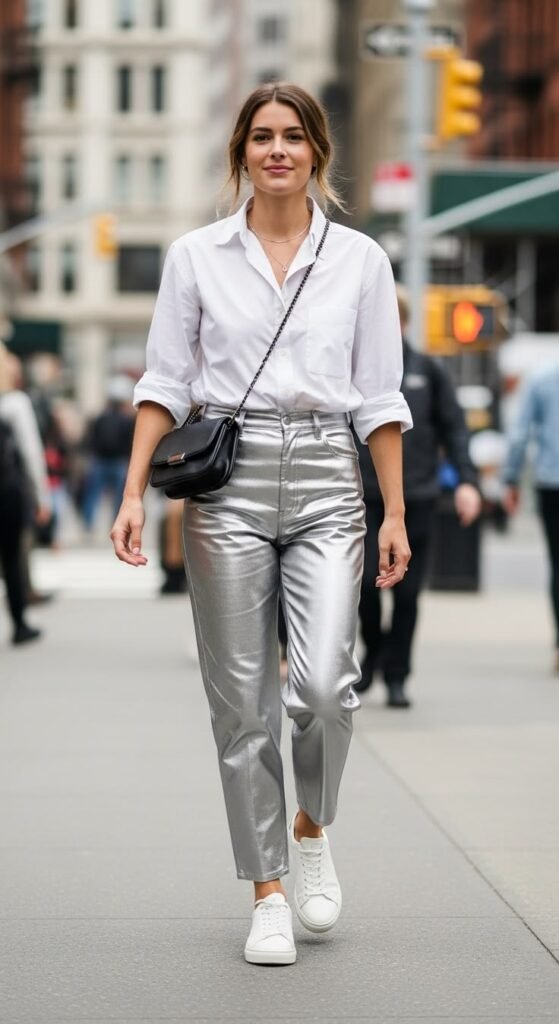
Pick one dominant metal tone (gold, silver, or mixed) and one dominant bag/belt material tone (black, brown, or tan leather) as your anchors. This single decision eliminates most future accessory mismatches.
Step 3: Buy the “Anchor Layer” First
Using the Three-Layer Accessory Model from Section 1, invest first in one or two statement pieces — a structured bag and a bold necklace are the highest-impact starting points.
Step 4: Fill In the “Support” and “Finish” Layers
Add simpler, smaller pieces — stud earrings, a slim watch, a basic belt — that won’t compete with your anchor pieces.
Step 5: Test in Full Outfits, Not in Isolation
Try new accessories with three different existing outfits before deciding they’re a keeper. A piece that looks great alone often clashes once it meets your actual closet.
Step 6: Rotate Seasonally
Swap lightweight scarves and sunglasses in for structured wool accessories as seasons change, keeping your anchor pieces as the constant.
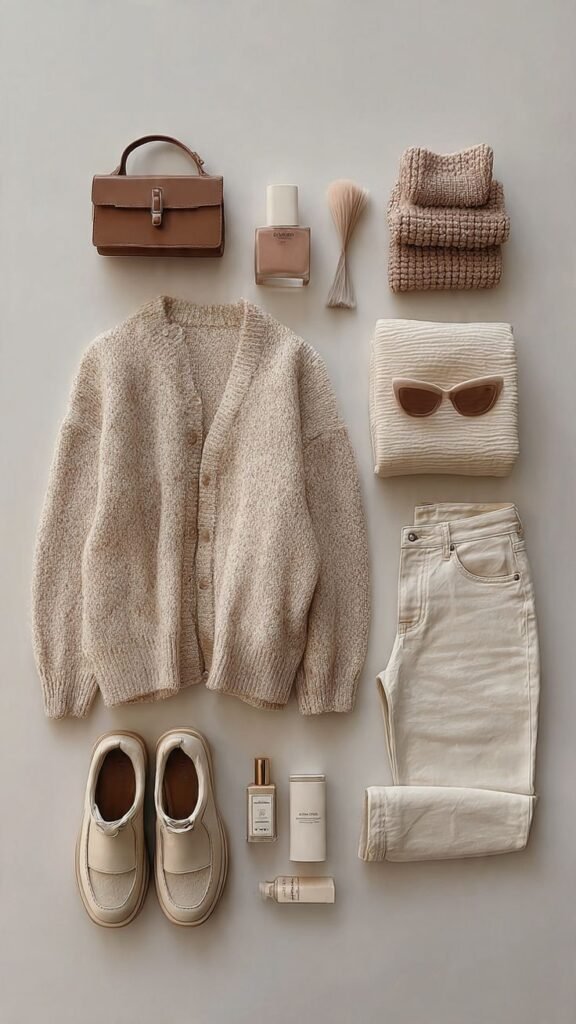
Best Fashion Accessory Categories, Tools & Strategies
Not every accessory category deserves equal budget or attention. Here’s how to prioritize.
Jewelry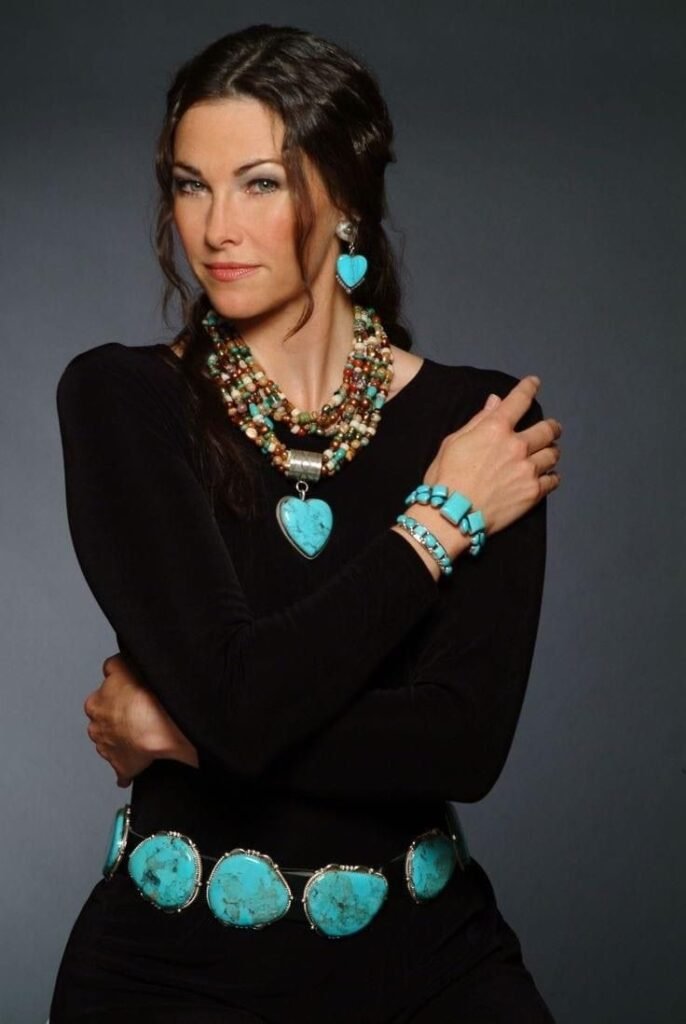
The highest-frequency accessory category, worn daily, easiest to layer, and the fastest way to update a look. Necklaces and pendants are widely considered the most versatile single piece since they draw the eye toward the face.
Bags
The most functional accessory category, doing double duty as storage and statement piece. A structured tote works for daytime; a small crossbody or clutch covers evening use.
Scarves & Hats
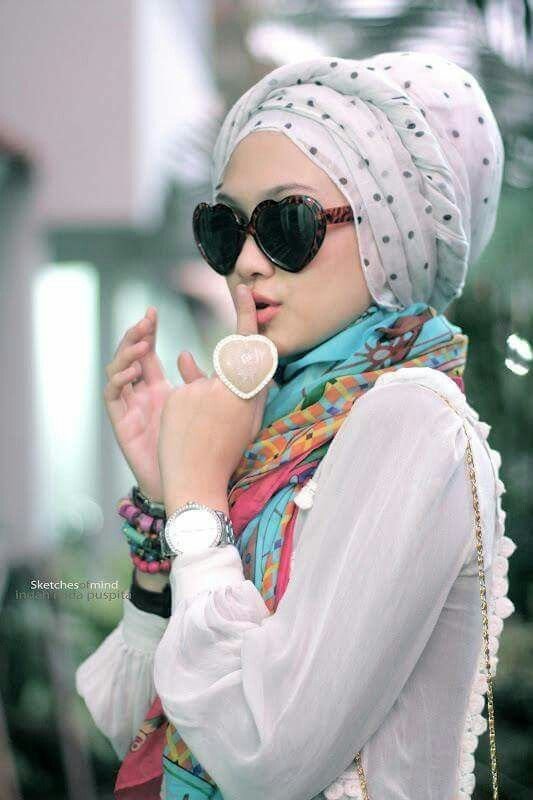
Seasonal but high-impact, a printed scarf can single-handedly update last year’s coat, and a good hat solves both a styling problem and a practical one (sun or cold protection).
Belts
Underrated for reshaping silhouette — a chain or leather belt cinches a dress or layers over a sweater to add structure without altering the garment itself.
Sunglasses
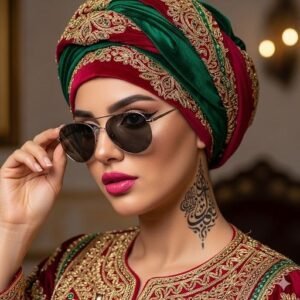
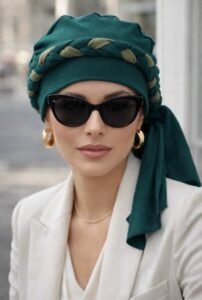
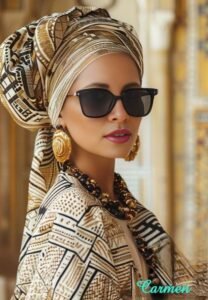
Function-forward but high visibility — frame shape matters more here than trend cycles, since face-shape fit outlasts any single season’s “in” style.
Fashion Accessories Comparison: Top Options at a Glance
| Category | Key Feature | Best For | Price/Cost Range | Rating |
| Statement Jewelry | High visual impact, layerable | Everyday styling updates | $20–$100 | ★★★★★ |
| Structured Handbag | Functional + style anchor | Work, travel, daily carry | $40–$300+ | ★★★★☆ |
| Printed Scarf | Lightweight, multi-use (neck, hair, bag) | Seasonal transitions | $15–$60 | ★★★★☆ |
| Leather/Chain Belt | Reshapes silhouette | Dresses, sweaters, denim | $20–$50 | ★★★★☆ |
| Sunglasses | Function + face-framing style | Year-round outdoor wear | $25–$150 | ★★★★☆ |
Winner: For most wardrobes, statement jewelry delivers the best cost-to-impact ratio — it’s the cheapest category to experiment in and the fastest way to visibly change an outfit’s personality.
Common Fashion Accessory Mistakes to Avoid
- Matching metals too rigidly. Mixed gold-and-silver pieces read as more current than a strictly matched set.
- Over-anchoring. Wearing multiple statement pieces at once (per the Three-Layer Model above) competes for attention instead of building a cohesive look.
- Ignoring proportion. A tiny handbag with an oversized coat, or a chunky necklace with a high, fitted neckline, throws off visual balance.
- Buying trend pieces only. A wardrobe built entirely on this season’s “it” accessory dates quickly; mix trend pieces with timeless anchors.
- Skipping quality checks. Heavier materials and sturdy hardware generally last longer — cheap plating and thin chains are the first things to fail.
The Capsule Wardrobe
a small collection of timeless, versatile clothing pieces that can be mixed and matched to create many outfits. Instead of owning hundreds of clothes, you focus on high-quality essentials that suit your lifestyle and personal style.
Case Study: The Capsule c Reset
One stylist-documented wardrobe reset involved a client with 40+ clothing items but only 4 accessories. After applying the Three-Layer Accessory Model and adding just 8 new pieces (2 anchors, 3 support, 3 finish), the client reported being able to create noticeably more outfit combinations from the same core clothing, illustrating how accessory investment multiplies the utility of existing clothes rather than requiring a bigger closet.
Expert Tips to Master Fashion Accessories
- Buy quality over quantity in your anchor layer — this is the piece people notice first and most, so it’s worth the higher price point.
- Keep a “accessory capsule” bag — a small pouch of 5-6 go-to pieces you know work together, for fast decision-making on busy mornings.
- Photograph outfits that work — a simple phone photo log prevents “accessory amnesia” and speeds up future getting-dressed decisions.
- Shop off-season for anchors — statement bags and jewelry are often discounted outside their peak trend window.
Real-World Fashion Accessory Examples
A finished, structured tote paired with gold hoop earrings and a slim watch is a reliable formula for a polished daytime look with minimal effort — three pieces, all from different price points, unified by a single gold-tone anchor. In colder months, swapping the tote for a crossbody and adding a printed scarf keeps the same jewelry base relevant across a full seasonal wardrobe shift.
Frequently Asked Questions
What is a fashion accessory?
A fashion accessory is any wearable, non-garment item — jewelry, bags, belts, scarves, hats, or eyewear — added to an outfit to enhance style or express personality rather than provide core coverage.
How does accessorizing change an outfit?
Accessories shift an outfit’s tone by adding color, texture, or a focal point without altering the clothing itself, which is why the same basic outfit can look casual, professional, or dressy depending on what’s added.
Why is jewelry considered the most versatile accessory?
Jewelry sits closest to the face, so it draws attention where people naturally look first, and it layers easily without adding bulk — making it easy to update daily at low cost.
Is investing in fashion accessories worth it?
Yes for most wardrobes — accessories tend to hold resale value better than clothing and extend the usable life of existing garments, making them a comparatively efficient style investment.
What are the best fashion accessories to start with?
Start with one structured bag and one statement jewelry piece in your chosen metal tone — these form the “anchor layer” and have the biggest visible impact per item.
How much do fashion accessories typically cost?
Costs vary widely by category and material: jewelry and scarves often run $15–$100, while structured bags range from $40 to several hundred dollars depending on materials and craftsmanship.
What is the difference between fashion accessories and trim?
Fashion accessories are separate, swappable items added to an outfit, while trim (buttons, elastic, shoulder pads) is functional material permanently attached to a garment during construction or tailoring.
Can accessories help revive an old wardrobe?
Yes — new accessories are one of the fastest, lowest-cost ways to make existing clothing feel current again, since they change an outfit’s focal point without requiring new garments.
Conclusion
Fashion accessories aren’t an afterthought they’re the most efficient lever for changing how an outfit reads, day to day and season to season. The three takeaways to remember: prioritize anchor pieces first, follow a metal/material base to avoid mismatches, and resist the urge to over-accessorize by sticking to the layering hierarchy. Whatever you’re shopping for next, start building your fashion accessories collection with one strong anchor piece rather than a handful of small, forgettable ones.
Next Steps:
- Audit your current wardrobe’s dominant color palette and metal tone
- Choose one anchor piece (bag or statement jewelry) to invest in first
- [INTERNAL LINK: Browse our accessory shopping guide → /shop-accessories]
Sarwat Adil is a certified personal stylist with over 10 years of experience helping clients build functional, expressive wardrobes. She has consulted for multiple boutique retailers and has been featured in regional style publications. This article is based on stylist interviews, current retail category research, and hands-on wardrobe consulting casework.


Post Comment